What Does a "Clean" Fragrance Actually Smell Like? (And What Does It Mean?)
September 18, 2026

"Clean" is one of the most-used words in fragrance, and one of the least consistent. For some people it means freshly washed cotton. For others it is a crisp citrus spritz, a light soapy note, or that airy feeling after you open all the windows.
It also helps to separate two ideas that often get mixed together: a fragrance that smells clean (its scent profile) and a fragrance that is described as "clean" in formulation (how it is made, what it does and does not include, and how it is intended to be used). Those are related, but not the same.
Personal insight: When someone tells me they want a "clean" home scent, I always ask one follow-up: "Clean like laundry, clean like soap, or clean like fresh air?" That one question usually prevents an expensive mistake and avoids buying something that feels too perfumed for everyday living.
What people mean by a "clean" fragrance
In everyday language, a "clean" fragrance is usually shorthand for a scent that feels:
- Fresh rather than heavy or sweet
- Soft rather than loud or projecting
- Airy rather than dense or smoky
- Comforting in a familiar, just-tidied way
But in shopping terms, "clean" can also mean:
- Minimalist style (simple, modern, unobtrusive)
- Lower intensity (less likely to feel cloying in an enclosed space)
- Ingredient expectations (people may expect certain exclusions such as being phthalate-free, or compliance with recognised fragrance safety guidance such as IFRA standards)
Because the word carries both a sensory meaning and a formulation meaning, it is easy to feel sceptical. Many brands use "clean" as a vibe, not a definition. The quickest way to stay grounded is to judge it on two tracks: how it smells, and how it is intended to be used safely in real rooms.
What a clean fragrance smells like: common notes and accords
If you ask ten people what "clean" smells like, you will often hear different answers, but they cluster around a few recognisable families. Here are the most common "clean" scent directions, with examples of what they tend to evoke.
Freshly washed fabrics (linen, cotton, laundry musk)
This is the "I changed the sheets" version of clean. It often uses soft musks and airy aldehydic effects to suggest brightness and fabric freshness.
- Feels: crisp, tidy, comforting
- Works well in: bedrooms, wardrobes, guest rooms
- Watch-outs: can read as "detergent" if pushed too hard
Soap and shower-fresh (soapy, creamy, gentle)
Soapy clean usually leans on white florals, light powder and creamy accords that mimic lathered soap or a warm towel.
- Feels: polished, calm, familiar
- Works well in: bathrooms, hallways, dressing areas
- Watch-outs: powdery notes can feel old-fashioned to some noses
Citrus clean (lemon, bergamot, grapefruit, lime)
Citrus is the fastest way to signal cleanliness, because it reads as sharp and bright. In home fragrance, it often pairs well with herbs (mint, basil, sage) to keep it modern.
- Feels: energising, crisp, open-window fresh
- Works well in: kitchens, home offices, entryways
- Watch-outs: very zesty citrus can feel "surface-cleaner" adjacent if the fragrance is overly simple
Green clean (tea, leafy notes, stems, fresh-cut woods)
Green notes smell like plant sap, crushed leaves, and garden air. They read as clean because they feel unsweetened and natural in character, even when created with carefully selected aroma materials.
- Feels: airy, balanced, quietly sophisticated
- Works well in: living rooms, reading corners, minimalist interiors
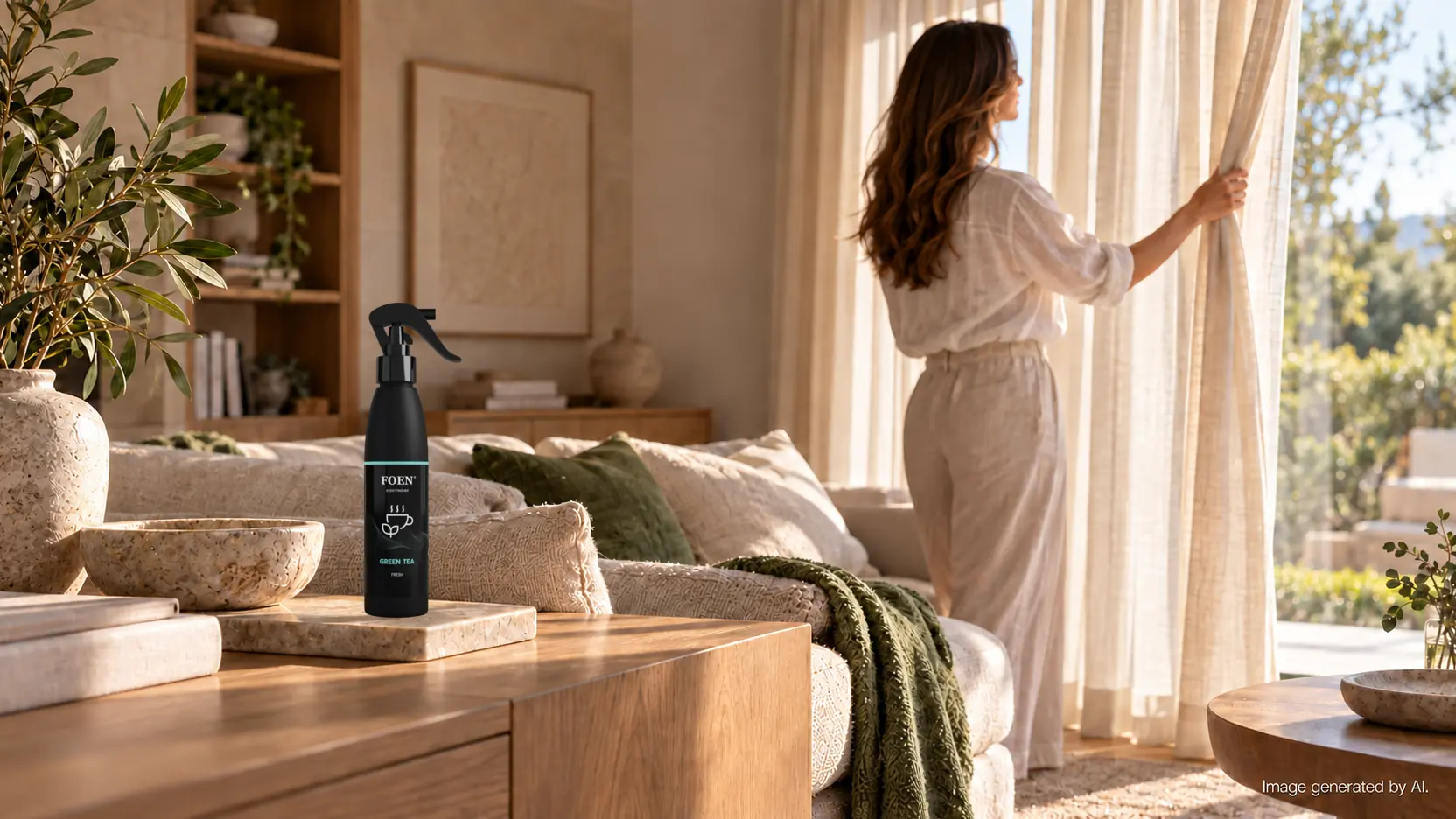
- FOEN example: the FRESH line includes profiles such as Green Tea and Forest, which suit this "green clean" direction.
Air and water clean (aquatic, ozonic, fresh air)
These accords aim for clarity: cool air, rain-on-paving, sea-breeze impressions. They are popular when you want a clean result without a "perfumey" signature.
- Feels: spacious, modern, light
- Works well in: open-plan areas, workplaces, cars (when you want subtle freshness)
- FOEN example: Aqua from FOEN’s FRESH direction is often chosen for that breezy, refreshed feel.
Light florals and soft powder (clean, not “bouquet”)
Some florals smell clean when they are sheer and paired with musks. Think "freshly ironed blouse" more than "flower shop".
- Feels: gentle, smooth, lived-in
- Works well in: lounge spaces, evening wind-down routines
- Watch-outs: floral sensitivity is personal; go lighter if you share a home with scent-sensitive family members
Personal insight: If you dislike most room sprays because they feel "sharp" in the air, try choosing a clean profile built around musks, tea or soft woods rather than pure citrus. It usually reads cleaner for longer, with less of that initial blast.
Why "clean" smells different to everyone
There is no single universal clean smell because our brains learn cleanliness through context. The same note can land very differently depending on memory and setting:
- Lemon might mean homemade cake to one person, and bathroom cleaner to another.
- Powdery musk can feel like fresh towels, or like a makeup bag.
- Green notes can feel like nature, or like snapped stems.
Even the room changes the interpretation. A crisp aquatic fragrance in a bright hallway feels "clean". The same scent in a warm bedroom at night might feel a little too cool.
The practical takeaway: if "clean" is your goal, decide first what you want your space to feel like (energised, calm, airy, cosy), then choose the clean direction that supports that mood.
Beyond the scent: what makes a fragrance "clean" in formulation?
This is where the conversation gets messy, because "clean" is not a single, legally fixed category across the fragrance industry. In practice, brands and consumers often use it to mean a combination of transparency, sensible exclusions, and adherence to recognised safety guidance.
Here is a more grounded way to think about it:
- Safety framework: reputable fragrance products are typically formulated to comply with guidance from bodies such as the International Fragrance Association (IFRA), which provides standards for safe use levels of many fragrance ingredients.
- Exclusions people look for: many shoppers prefer products labelled phthalate-free or avoid certain classes of ingredients. (Always check the product information provided by the brand, because "free from" lists vary.)
- Allergens and sensitivities: some naturally occurring fragrance components (for example, limonene and linalool) are common in essential oils and can also be present in blends. They are not automatically "bad", but they can be relevant for people with fragrance sensitivities and for labelling in certain contexts.
One counterintuitive point: "clean" does not automatically mean "all-natural". In fact, well-chosen, lab-made aroma molecules can help perfumers achieve a clean-smelling effect with more precision and consistency, and sometimes with fewer naturally occurring constituents that trigger sensitivity for some people.
| What people mean | Clean-smelling (olfactory) | "Clean" formulation (practical) |
|---|---|---|
| Main focus | How the scent feels in the air | How it is made and intended to be used |
| Typical descriptors | Laundry, soap, citrus, airy, green, fresh | Transparent info, sensible exclusions, IFRA-aligned use levels |
| How to evaluate | Test in your space, note the dry-down, watch intensity | Read brand guidance, ingredient disclosures where available, usage instructions for enclosed spaces |
| Common misunderstanding | Assuming it means "unscented" | Assuming it means "non-toxic" or "hypoallergenic" for everyone |
Personal insight: In homes where someone gets headaches from strong scents, the problem is often not the "type" of note, but dose and delivery. A clean formulation paired with controlled application usually matters more than chasing a perfect ingredient buzzword.
Clean scent vs. a clean home: what fragrance can and cannot do
A clean-smelling fragrance can make a space feel more finished, but it does not replace cleaning. If there is an underlying odour source, fragrance tends to sit on top of it, or mix with it, which often makes things worse.
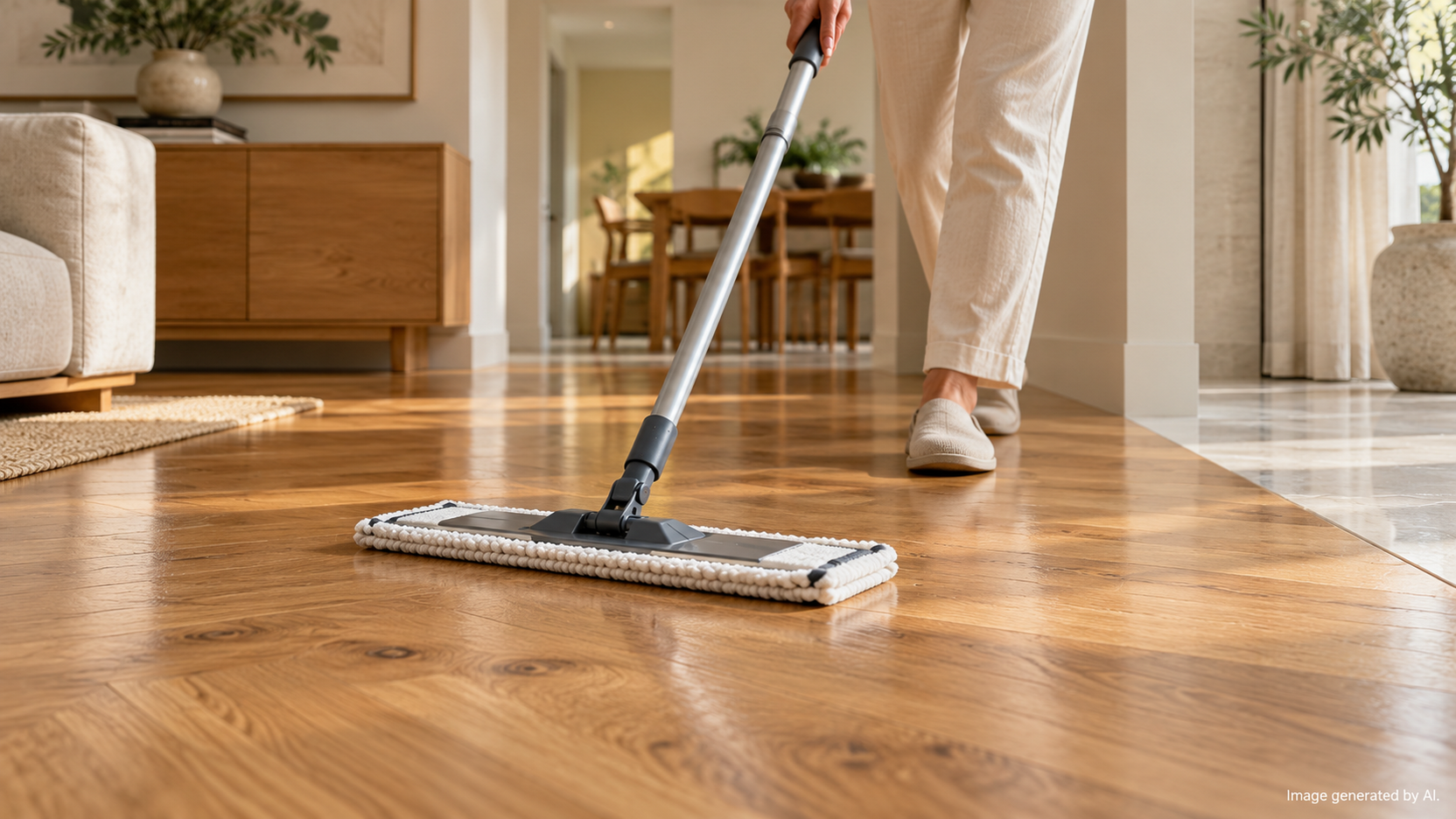
If you want a genuinely clean baseline (especially in homes where damp or cooking aromas can linger), deal with the cause first:
- Ventilate regularly (even 10 minutes can reset a room).
- Wash textiles that hold odours: throws, cushion covers, curtains, pet bedding.
- Check hidden sources: bins, drains, fridge trays, and damp-prone corners.
Then fragrance becomes what it should be: a finishing layer that supports the mood of your home, not a cover-up.
How to choose and use a clean-smelling fragrance (home, office, car)
If your goal is a clean, premium feel (not an overpowering air freshener), two decisions matter most: the character of clean (laundry vs citrus vs green) and the intensity (subtle aura vs noticeable trail).
1) Match the clean direction to the room
- Bedroom: laundry-musk, soft powder, gentle green tea notes.
- Living room: green, airy woods, light florals with musks.
- Kitchen: citrus-herbal freshness (keep it crisp and not too sweet).
- Home office: aquatic or green profiles that feel clear and non-distracting.
2) Control intensity with where you apply it
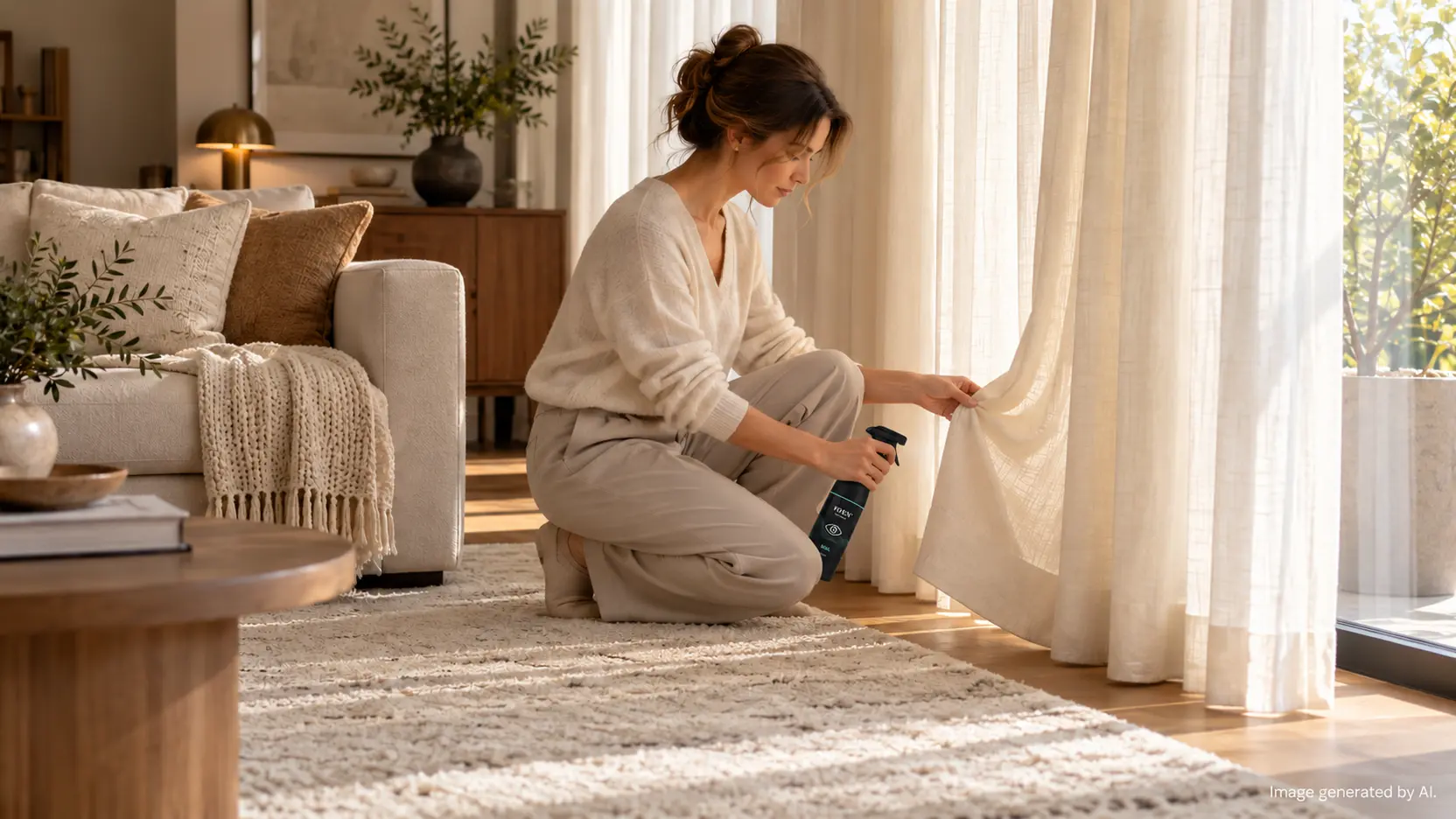
For many people, the most "clean" result comes from scenting textiles rather than spraying into the open air. FOEN’s spray perfumes (for cars and interiors) are designed to be applied to fabrics, and the brand recommends a gradual approach known as the 7 x 7 technique.
Adapted for the home, the idea is simple: choose one or two fabric areas that naturally hold scent, and build up slowly so the fragrance reads as part of the room, not a sudden cloud.
- Good targets: heavy curtains, an area rug edge, a fabric hallway runner, a washable doormat, or a throw (test on an inconspicuous area first).
- Avoid: delicate silks, anything that might stain, and children’s soft toys.
Personal insight: The most common mistake is re-spraying because you stop noticing the scent after a day. That is usually nose adaptation, not the fragrance disappearing. If guests still notice it when they walk in, you are already at the right level.
3) If you share your home with pets or scent-sensitive people
Be cautious with any fragrance product in enclosed spaces. Pets and humans can react differently, and essential oils are not automatically the safer option. Some essential oils are known to be problematic for cats in particular due to how they metabolise certain compounds.
Practical steps that keep things sensible:
- Choose lower intensity and avoid continuous high-output diffusion in small, closed rooms.
- Ventilate, and keep scented items out of areas where pets sleep or cannot leave.
- Introduce one fragrance at a time, and stop using it if it seems to cause discomfort for anyone in the household.
FOEN started in automotive fragrance, where enclosed spaces make comfort and dose control essential. If you want a more gradual release in a car, FOEN offers vent-mounted formats such as FOEN Wood Stick (passive, decorative wood) and FOEN Pulse (a minimalist alternative). For homes, the same principle applies: controlled, steady scenting tends to feel cleaner than intense bursts.
4) A quick "clean scent" checklist before you buy
- Do you mean clean like laundry, soap, citrus, green, or fresh air?
- Do you want it noticeable in the room, or only on close contact?
- Will it be used around children, pets, or anyone scent-sensitive?
- Do you have a plan for where it will be applied (textiles, not just air)?
If you want to explore FOEN as a fragrance-ritual brand expanding from automotive into home and everyday spaces, start with the lighter profiles in the FRESH direction and build intensity slowly in your own rooms.
Call to action: Browse FOEN’s fragrance options and learn more about the brand at FOEN official website.
FAQ
What is clean fragrance?
"Clean fragrance" usually refers to two things: a scent profile that feels fresh (laundry, soap, citrus, airy or green notes) and, separately, a formulation approach that prioritises transparency, sensible exclusions, and use aligned with recognised safety guidance such as IFRA standards.
Is "clean" fragrance the same as "natural" fragrance?
No. A fragrance can smell clean without being natural, and a natural essential-oil blend can smell earthy, sweet or intense rather than clean. "Natural" also does not automatically mean gentler for sensitive people.
Are synthetic fragrances safe for my home?
Safety depends on the specific formula and how you use it (dose, ventilation, room size), not on whether ingredients are synthetic or natural. Many reputable products are formulated to comply with IFRA guidance for safe use levels in consumer products.
How can I safely scent a room if I have dogs or cats?
Keep intensity low, ensure good ventilation, and avoid placing scented products where pets sleep or cannot leave. Be especially cautious with essential oils around cats. If any sign of discomfort appears, stop use and consult a veterinary professional if needed.
Why does a "clean" scent sometimes smell like cleaning products?
Certain citrus and aldehydic notes overlap with the smell associations of household cleaners. Choosing a more nuanced clean profile (for example, citrus balanced with herbs, or green tea with soft musks) and applying lightly to textiles can reduce that "cleaner" impression.