What’s Inside Home and Car Fragrances? Ingredients, Safety, and Premium vs Budget Differences
September 8, 2026
There’s a particular moment many of us recognise: you shut the car door after a busy day and want your mind to downshift. Later, you step into your home and want that same sense of calm - without anything harsh, overpowering, or “fake”.
If you’re ingredient-aware, the obvious question is: what exactly creates that scent in a car freshener or a home spray - and why do some products feel comfortable while others give you a headache or feel too intense?
What home and car fragrances are made of
Most fragrance products - whether for a living room, wardrobe, or car - are built from the same core building blocks. The differences sit in proportions, delivery method, and how the formula is designed to behave in a particular environment (a small heated car cabin versus a ventilated home).
Common components you may see (or infer) in fragrance products include:
- Fragrance composition (a blend of aromatic ingredients). This can include natural essential oils, nature-identical aroma molecules, and other perfumery ingredients.
- Carrier/solvent that helps the fragrance disperse and evaporate in a controlled way.
- Base materials (for some formats) such as a polymer, wood, or absorbent substrate that holds scent and releases it gradually.
What you usually do not get on a consumer label is a full list of every aromatic ingredient in a perfume composition - not because it is automatically unsafe, but because fragrance formulas are often protected as trade secrets. That’s why transparency often shows up in other ways: clear usage instructions, sensible intensity, and alignment with recognised industry safety standards for fragrance ingredients.
Personal insight: If you’re trying to compare two products and one simply says “parfum” while the other gives you no guidance on how to dose it, I treat that as a practical red flag. For comfort at home (especially in smaller UK flats), dosage and delivery method matter as much as the scent itself.
Essential oils vs fragrance compounds: what’s the difference?
Ingredient-conscious buyers often start with essential oils for understandable reasons: they smell “real”, they fit into self-care rituals, and many people already use them in diffusers. But essential oils are also complex natural mixtures and can be intense, variable from batch to batch, and more reactive in certain conditions (light, heat, oxygen).
On the other side are modern fragrance compounds, which may include safe, well-characterised aromatic ingredients designed for stability and consistency. High-quality fragrance ingredients are typically formulated to comply with recognised industry guidance, such as standards set by the International Fragrance Association (IFRA), which publishes safety-based recommendations on the use of many fragrance materials.
A more useful way to think about it is not “natural vs synthetic = good vs bad”, but rather:
- Stability: Will it smell the same over time, or degrade quickly?
- Control: Can the intensity be kept comfortable in shared spaces?
- Transparency of use: Does the brand clearly explain where and how to apply it?
Personal insight: People who describe themselves as “scent sensitive” often don’t dislike fragrance - they dislike unpredictable intensity. A controlled, subtle application (especially on textiles rather than in the air) is usually the difference between “lovely” and “too much”.
Premium vs budget: how the formula changes your experience
Two products can share a similar scent style (for example, citrus or woody), yet feel completely different in use. That difference is often less about the headline notes and more about the underlying formula choices.
| What changes | Often seen in budget air fresheners | Often seen in premium fragrance products |
|---|---|---|
| Scent profile | Sharper opening, more linear scent, can feel “loudy” or aggressive | More balanced development (top to base), smoother diffusion |
| Comfort in small spaces | Intensity can spike, especially in warm cars or small rooms | Designed for controlled release and a less overpowering feel |
| Longevity | Strong at first, then fades quickly | More consistent over time (depends on format and use) |
| Delivery method | Often simple hanging fresheners or strong aerosols | More considered formats (textile sprays, vent-mounted systems, refills) |
| Communication | Minimal guidance on dosing and placement | Clearer instructions to help you control strength and avoid over-application |
From an ingredient perspective, both ends of the market can use a mix of natural and synthetic ingredients. The practical difference is usually the quality of the composition, the level of refinement, and how predictable the experience is day to day.
Safety and sensitivities: using fragrance around children, pets, and scent-sensitive people
When people search for “non-toxic” home fragrance, they’re usually asking for something more specific: a product that can be used responsibly in real homes without causing discomfort.
Here is a practical, grounded definition that helps many readers:
A “safer” fragrance choice is one that is designed for controlled use (so it’s not overpowering), follows recognised ingredient-safety guidance (such as IFRA recommendations for many fragrance materials), and comes with clear instructions so you can apply it in small, measured amounts.
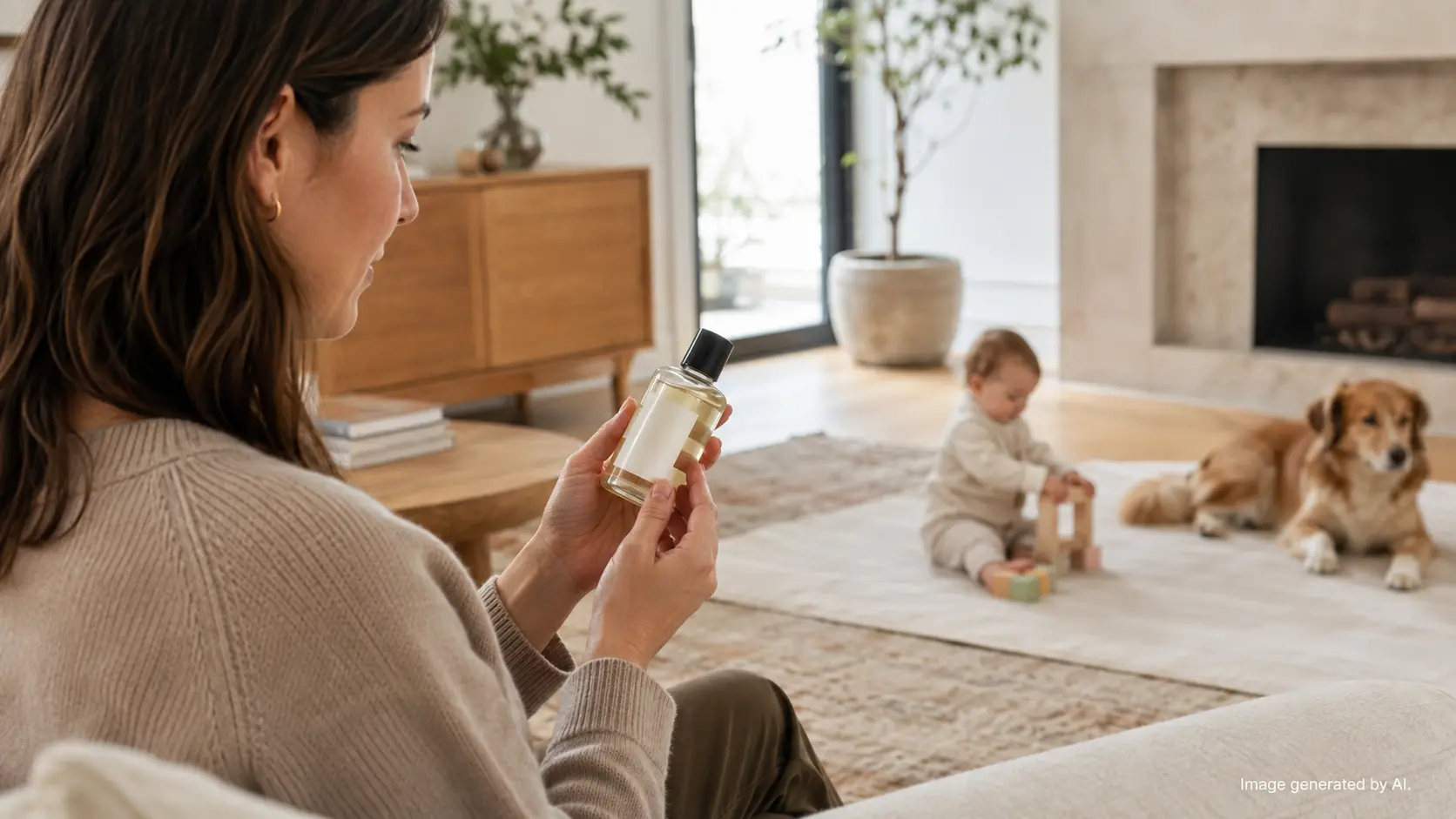
Important reality check: any fragrance (including essential oils) can irritate if overused, used in unventilated rooms, or applied directly to skin or animal bedding without checking suitability. Pets also experience scent differently - what feels subtle to you may be intense to them in a confined space.
Practical safety habits that matter more than marketing labels:
- Ventilation: particularly in cars and small rooms.
- Placement: apply to textiles or a holder rather than spraying into the air repeatedly.
- Start low, build slowly: one or two light applications, then reassess after an hour.
- Keep products out of reach: especially with children and pets.
- Watch for triggers: headaches, watery eyes, coughing, or pet avoidance behaviours are signals to reduce intensity or stop using that scent.
Personal insight: A common mistake is trying to “fix” a smell by adding more fragrance. In both cars and homes, odours usually need cleaning and airflow first. Fragrance should be the finishing touch, not the cover-up.
Delivery systems: sprays, vent clips, and home-friendly options
Once you understand ingredients, the next decision is delivery. This is where home and car needs diverge.
Sprays (car + home)
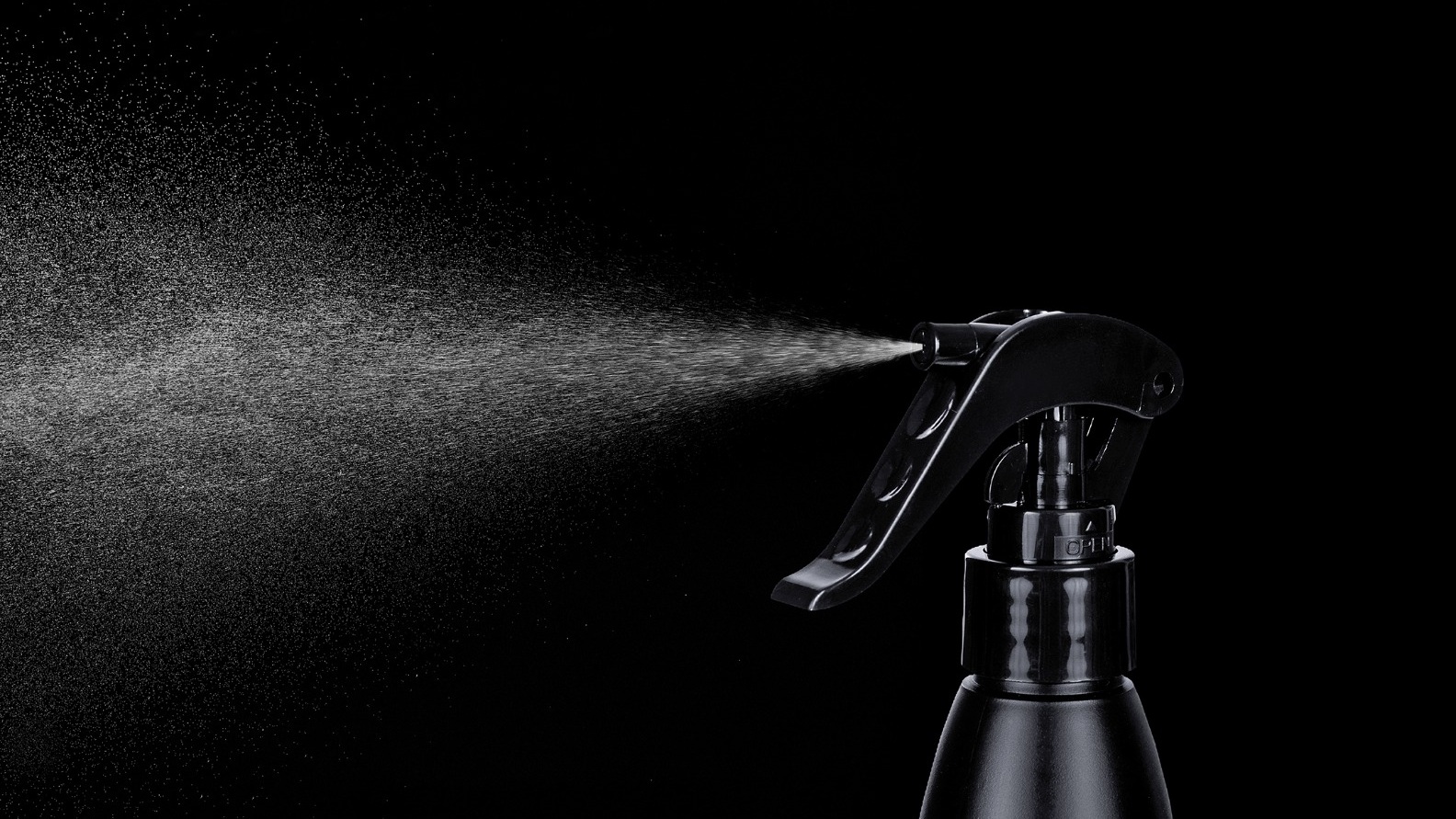
Sprays are the most flexible option because you can target textiles: car mats, fabric upholstery, curtains, rugs. Used lightly, this tends to create a more even background scent than repeatedly spraying into the air.
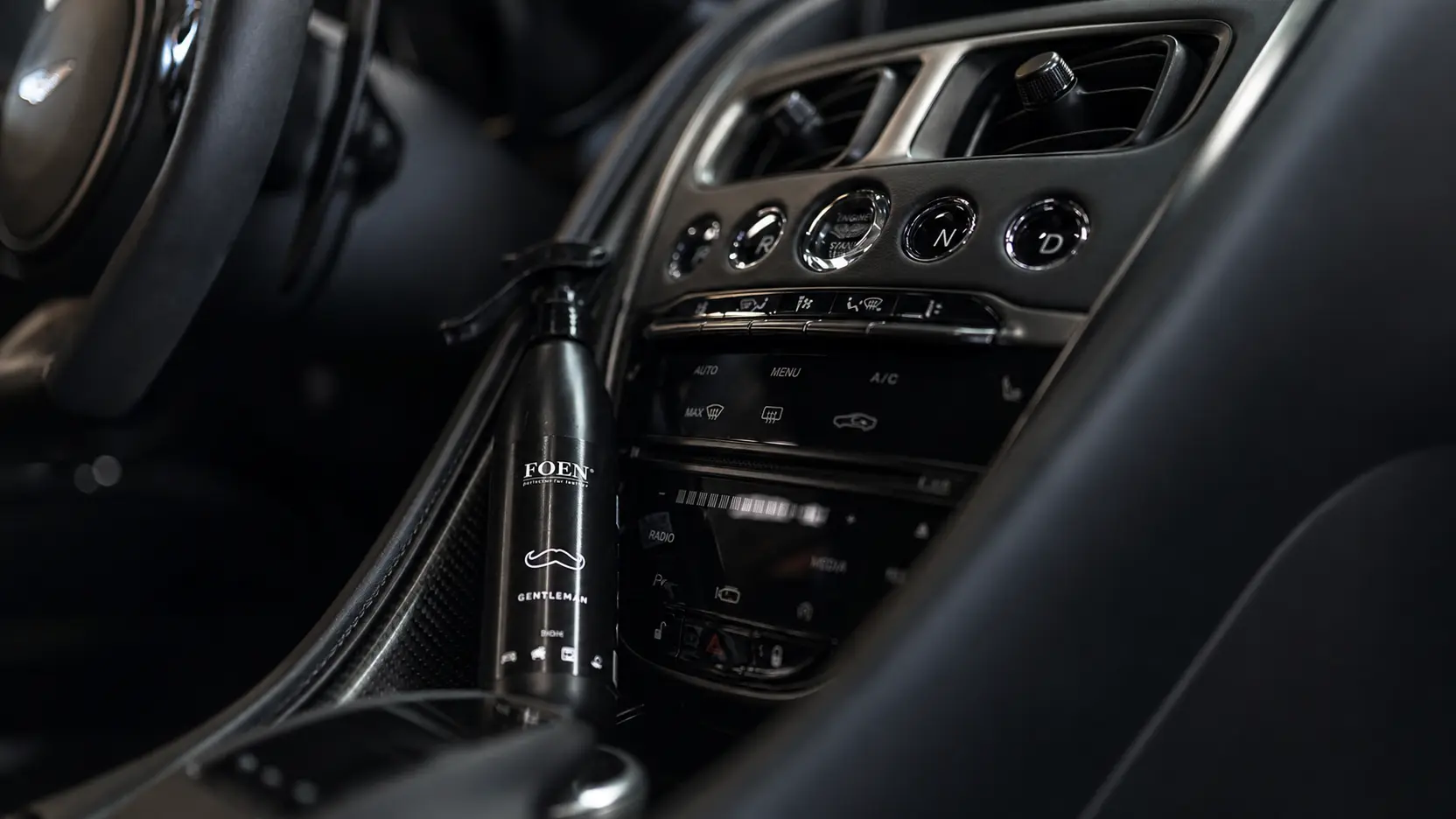
FOEN’s core product line is a premium fragrance spray designed for both cars and interiors, available as FOEN Small (185 ml) and FOEN Large (450 ml). The intended use is textile application (for example, mats, seatbelts, rugs, and curtains), which suits people who want control over intensity.
Vent-mounted formats (car)
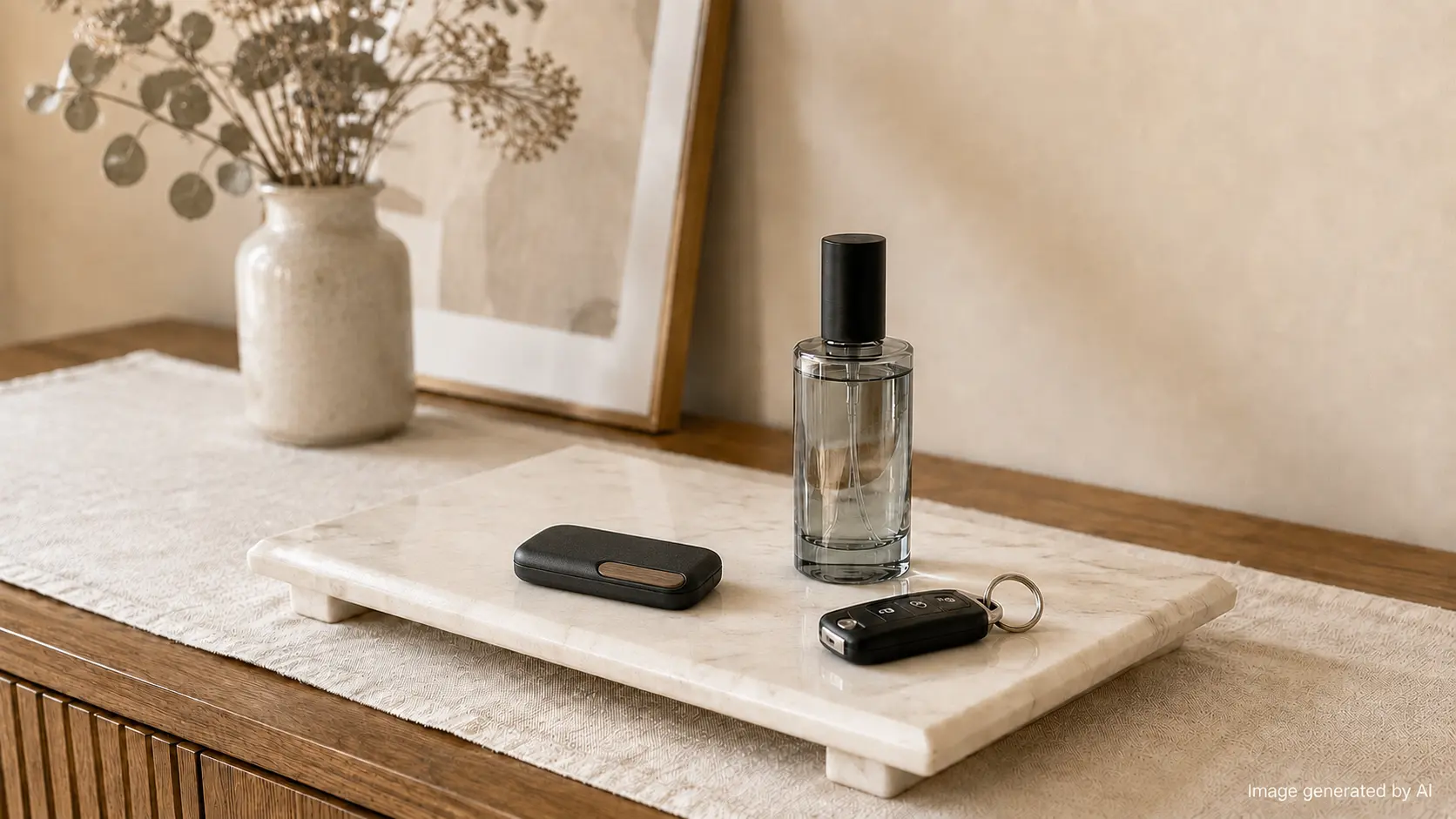
Car cabins warm up quickly and have a tight air volume, so vent-mounted products can feel more controlled than hanging fresheners. They sit discreetly in the interior and release scent gradually as air flows.
Two examples from the FOEN range are:
- Foen Wood Stick: a vent-mounted wooden format with a polymer inside that holds the fragrance composition and releases it gradually. A refill option is available (Foen Wood Stick Refill), which can reduce waste by reusing the holder.
- Foen Pulse: a minimalist vent-mounted option using a plastic housing, aimed at a more budget-friendly preference while keeping a tidy look.
Diffusers (home)
Diffusers are popular for home rituals, but they’re also easy to overdo. If you use a diffuser, treat it like seasoning: short sessions, lower intensity, and ventilation. In households with pets or very young children, it’s worth being extra conservative with runtime and placement.
This article focuses on how ingredient awareness translates across formats, rather than prescribing one diffuser approach for every home.
How to apply fragrance for longevity: the FOEN 7 x 7 technique
Longevity is often misunderstood. A product can smell intense for one day and disappear the next. Consistency usually comes from gradual build-up, especially on textiles.
FOEN shares a practical method called the 7 x 7 technique for car fragrance application on mats. Here’s the idea in simple steps:
- Choose a starting point you can repeat easily (for many drivers, the car mats are the most straightforward).
- Apply 7 sprays per mat.
- Repeat that application daily for 7 consecutive days.
- After the first week, reduce frequency and top up only when the scent drops to a level you no longer notice.
Used as recommended, the goal is a noticeable scent for around a month. If you use the bottle more gradually, the effect can last longer, because you are topping up lightly rather than doing one heavy application.
At home, the same principle applies: light applications to suitable textiles, then pause and reassess before adding more.
FOEN’s approach: simple composition, premium feel, daily comfort
FOEN is a Polish fragrance maker known first for automotive scenting, now expanding naturally into home and interior rituals. The brand positioning is less about loud air freshening and more about elegance, durability, and comfort - with a simple, transparent approach to how you use the product.
From a wellness-minded perspective, what matters most is that the experience is controllable:
- You can dose the scent to keep it subtle.
- You can choose a format that fits your environment (spray for textiles, vent-mounted for consistent car diffusion).
- You can build a cohesive scent journey from commute to home, rather than switching between competing, overly intense products.
If you want to explore formats and scent families (from fresher profiles to warmer, more oriental styles), you can find the full range on the official site.
Explore FOEN car and home fragrance products on foen.pl
FAQ
Are synthetic home fragrances safe for pets?
No fragrance can be declared universally safe for every pet in every situation. What you can do is choose products designed for controlled use, follow instructions, ventilate well, avoid direct application to pet bedding, and stop if your pet shows avoidance or irritation.
What is the difference between car and home fragrance formulations?
The core aromatic ingredients can be similar, but car products must perform in a smaller, hotter space with fluctuating airflow. That often makes controlled delivery (like vent mounting or measured textile spraying) more important than it is in a larger room.
How can I make my home smell good without it being overpowering?
Start with cleaning and ventilation, then add fragrance in small amounts. Apply to suitable textiles rather than spraying repeatedly into the air, wait 30-60 minutes, and only then decide if you need a top-up.
What does “IFRA compliant” mean in fragrance discussions?
IFRA (International Fragrance Association) publishes safety-based standards and guidance for many fragrance ingredients. Brands and suppliers often formulate in line with these recommendations to support responsible, controlled use of perfumery materials.