Vent Clip vs. Hanging Car Air Fresheners: Which Delivers the Best Scent?
August 25, 2026
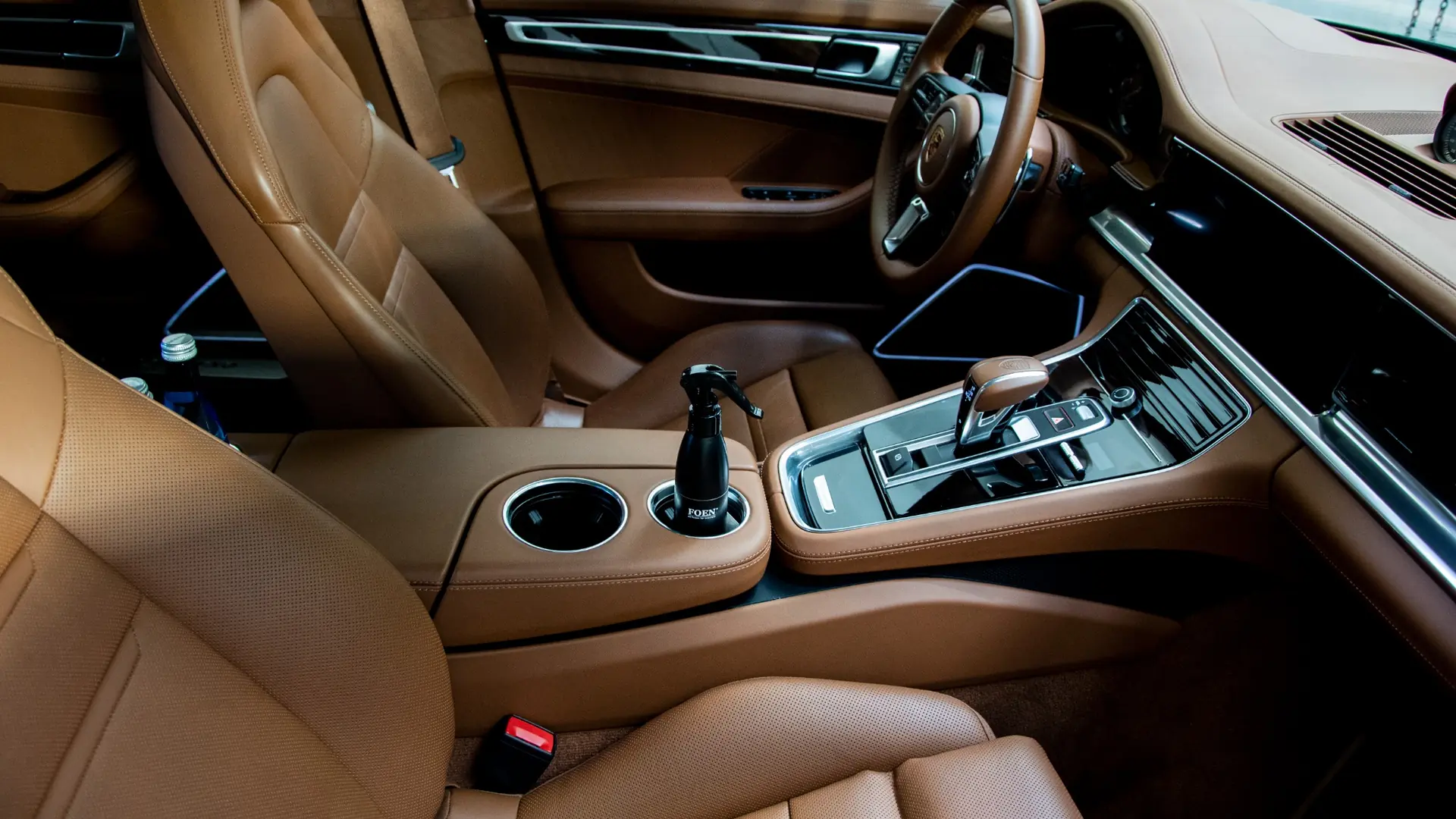
You detail the interior on a Sunday: vacuum, wipe-down, glass cleaned, everything feels dialed in. Then you hang a classic cardboard freshener and by Wednesday it’s either overpowering or basically gone. If that sounds familiar, you’re not “picky” - you’re noticing how different products release fragrance in a small, heat-cycled cabin.
This guide breaks down vent clip vs hanging car air freshener options in plain terms: how they diffuse, what lasts, what looks right in a premium cabin, and what’s least likely to annoy you (or your passengers) on a daily commute.
Quick answer (featured snippet)
If you want more consistent scent, cleaner aesthetics, and less “blast then fade”, a vent clip usually beats a hanging air freshener because the HVAC airflow helps control diffusion. Hanging fresheners can be cheap and simple, but they often spike in intensity at first, fade quickly, and add visual clutter near the windshield.
Personal insight: The best setup I see among drivers who care about a “premium-clean” vibe is a subtle daily scent source (often a vent clip), plus a light refresh after cleaning using a spray applied to textiles - not plastic or screens.
How car scents actually work: passive vs active diffusion
Most car fragrance products fail for one of two reasons: they release scent too fast, or they release it unpredictably. The difference usually comes down to diffusion.
Passive diffusion (most hanging cards and gels)
Passive products rely on ambient cabin air and heat. When the car sits in the sun, evaporation ramps up. When the cabin cools, release slows down. That’s why you get a strong hit at first (or after a hot day) and then a quick drop-off.
Active diffusion (vent-mounted options)
Vent-mounted products use airflow from your car’s HVAC system to help carry fragrance through the cabin. This tends to create:
- More even distribution (especially front-to-back) when the fan is running
- Better controllability by adjusting fan speed or closing a vent
- Less “scent shock” compared to some passive products
Personal insight: If you’ve ever loved a fragrance for the first 10 minutes and then wanted to crack a window, that’s often a diffusion problem, not a “bad scent.” A calmer release method can make the same style of fragrance feel more expensive.
Hanging air fresheners: pros, cons, and the real-world drawbacks
Classic hanging fresheners (cards, paper trees, some sachets) are popular because they’re cheap, widely available, and easy to use. But for drivers chasing a cleaner, more upscale interior experience, the drawbacks show up fast.
Pros of hanging car air fresheners
- Simple: open package, hang, done
- Low upfront cost in many stores
- Works with the car off (passive release continues)
Cons of hanging car air fresheners
- Inconsistent performance: often strong at the start, then fades quickly
- Visual clutter: hangs in your sightline, especially noticeable while cornering or scanning intersections
- Potential safety/legal concerns: in some places, anything that obstructs the driver’s view can lead to a traffic stop or citation
- Hard to “tune”: you can’t really dial it down besides re-bagging it or removing it
A quick safety note for US drivers
If you hang anything from your rearview mirror, keep it small and be aware that enforcement varies. Some states and local jurisdictions consider objects hanging from the mirror a potential obstruction. When in doubt, choose a solution that stays out of your primary view.
Vent clips: why they fit modern interiors
Vent clips are popular with drivers who treat their car like a living space: clean lines, minimal clutter, and a scent that doesn’t hijack the cabin.
Pros of vent clip air fresheners
- More consistent scent thanks to HVAC-assisted airflow
- Discreet placement that suits modern dashboards
- User control: reduce intensity by lowering fan speed, closing the vent, or moving the clip
Cons and things to watch
- Dependent on airflow: if you rarely run the fan, you may notice less projection
- Vent compatibility: some clips fit certain vent shapes better than others
- Overuse risk: max fan on a brand-new scent can feel too strong for sensitive passengers
Personal insight: I usually recommend starting a new vent scent on a mid or low fan setting for the first day. Your nose adapts quickly in a small cabin, and dialing it back early keeps the experience “premium” instead of punchy.
Vent clip vs hanging freshener: side-by-side comparison
| Criteria | Vent clip air freshener | Hanging air freshener |
|---|---|---|
| Scent release | Active diffusion with HVAC airflow; typically more even | Passive diffusion; often spikes with heat, then fades |
| Consistency over time | Usually steadier day-to-day when you drive with the fan on | Often strong at first, then drops quickly |
| Aesthetics | Discreet, integrates with dash/vents | Visible and can look out of place in a premium interior |
| Safety / visibility | Out of the direct sightline | Can obstruct view or distract depending on size and swing |
| Control | You can “tune” it via fan speed and vent position | Limited control without removing it |
| Best for | Drivers who want a clean look and consistent scent on commutes | Occasional use, tight budgets, or quick temporary masking |
Better alternatives for a premium cabin feel (including FOEN)
If you’re searching for alternatives to hanging car air fresheners, aim for two things: a cleaner diffusion method and a scent profile that feels intentional (not “chemical loud”). This is where vent clips and properly-used car perfumes tend to win.
FOEN is one example of a brand built around that idea: a premium-feeling car fragrance with a simple approach to use and an aesthetic that doesn’t fight your interior design. FOEN makes both spray perfumes (FOEN Small, FOEN Large) and vent-mounted options in two styles:
FOEN Wood Stick (vent clip, natural wood)
- Material: natural wood housing with a fragrance-infused insert inside
- Use case: drivers who want a discreet, design-forward vent scent
- Longevity: up to 8 weeks (varies with fan use and conditions)
- Scents available: Squeeze, Desert, Sunrise
- Refill option: FOEN Wood Stick Refill to reuse the wooden holder
FOEN Pulse (vent clip, minimalist plastic housing)
- Material: plastic housing with a clean, modern look
- Use case: a more budget-friendly vent option that still avoids mirror clutter
- Scents available: Amor, Aura, Noir, Rise
Whichever brand you choose, a vent clip is usually the most natural upgrade when you’re done with hanging cards but still want something easy, tidy, and daily-drivable.
Pro application tips: making fragrance last without damaging trim
If you want the cabin to smell good for longer than a few days, the biggest unlock isn’t “stronger perfume” - it’s where you apply it.
Why textiles work better than plastic for sprays
Textiles like floor mats and fabric upholstery have fibers that can hold fragrance compounds and release them slowly. Hard plastics and glossy trims are more likely to show spotting, feel greasy, or conflict with interior finishes. (Plus, nobody wants fragrance overspray on a touchscreen.)
The 7 x 7 method (and why it’s aimed at floor mats)
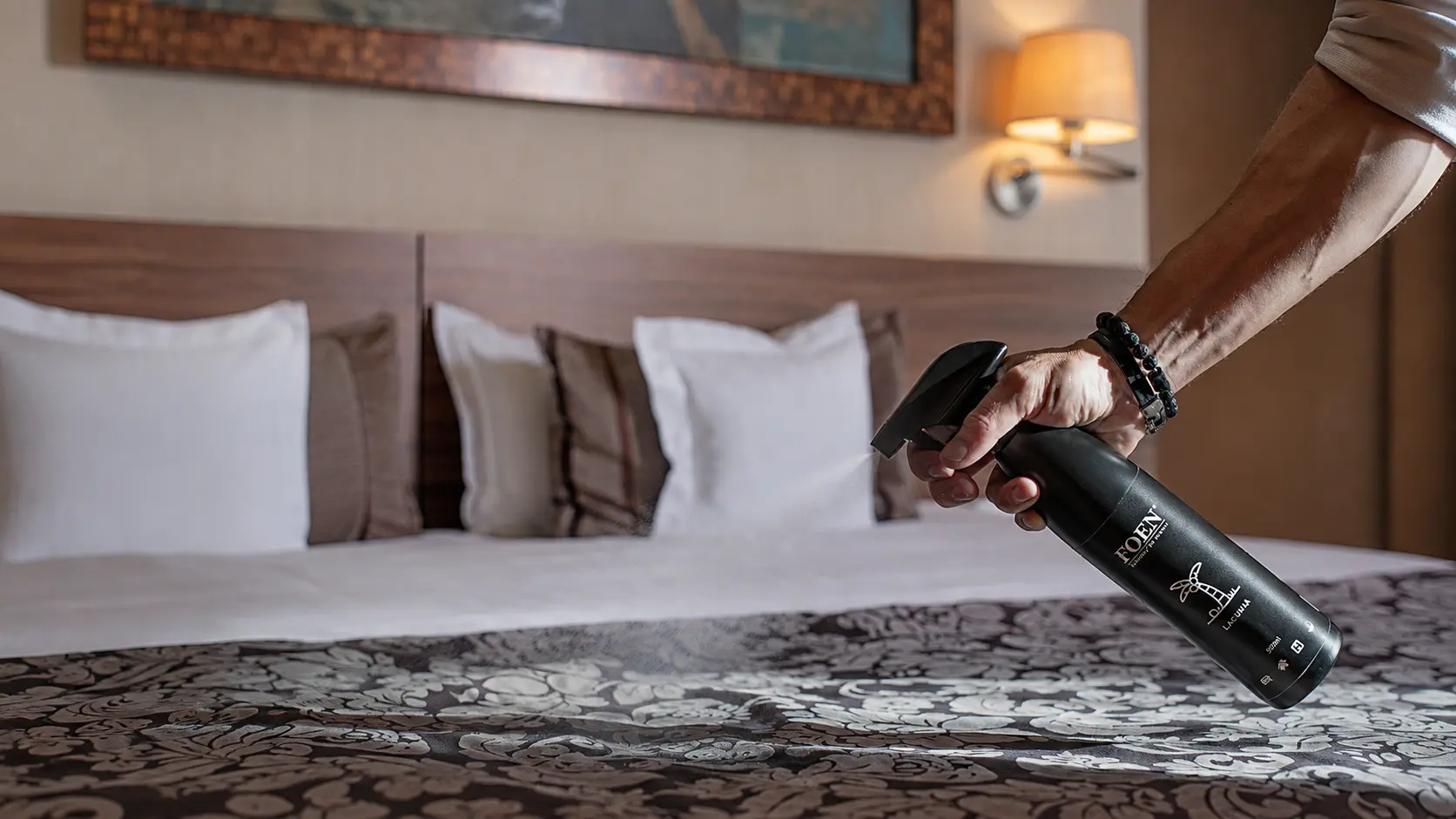
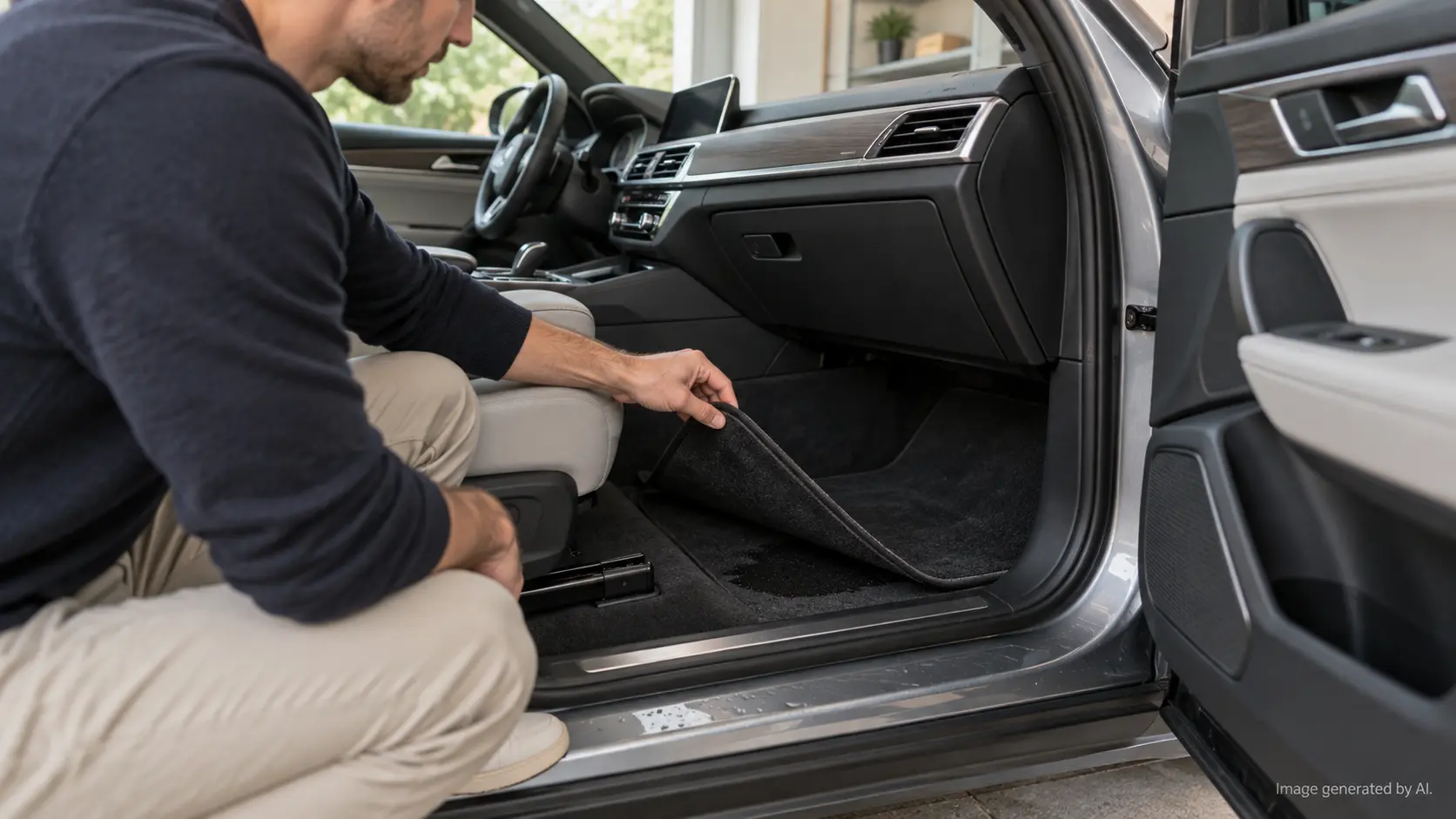
FOEN recommends a simple routine for its spray perfumes (FOEN Small / FOEN Large): 7 sprays on each floor mat for 7 consecutive days. The idea is to gradually “load” the textile so it becomes a controlled scent reservoir instead of a one-day burst.
- Why floor mats? They’re textile-heavy, easy to target, and not in direct contact with sensitive dash materials.
- What to expect? When applied consistently, the scent can remain noticeable for around 30 days. Used gradually across the bottle, many users aim to stretch the effect much longer, depending on how often they refresh.
- How to keep it subtle: start lighter than you think, then adjust. It’s easier to add than to remove.
Personal insight: If your car has rubber mats, don’t force the “textile strategy.” Use a vent clip for daily scent and reserve sprays for fabric areas (like carpeted sections or fabric trunks) after spot-testing. The goal is a clean, controlled release, not shiny trim.
One more habit that helps: clean first, then scent
Fragrance performs best after you remove the source of odors. Vacuuming, wiping high-touch areas, and cleaning fabric surfaces (as needed) makes any scent feel clearer and less like it’s “fighting” the cabin.
If you’re ready to switch from disposable hangers to a cleaner, more premium setup, explore FOEN’s car fragrance options here: FOEN car and interior fragrances.
FAQ
Are hanging car air fresheners illegal in the US?
Laws and enforcement vary by state and locality. In general, anything that obstructs the driver’s view can be a problem. If you want to avoid the issue entirely, consider a vent-mounted option that stays out of your primary sightline.
How long do vent clip air fresheners last?
It depends on the product design, the fragrance load, cabin temperature, and how often you run the fan. Some premium vent clips are designed to last for weeks rather than days, especially with moderate HVAC use.
Can car perfume damage my dashboard or screens?
It can if you spray directly onto plastics, leather coatings, screens, or glossy trim. Apply fragrance to textiles (like carpeted mats) and avoid overspray. When trying any new product, spot-test on an inconspicuous area first.
What’s the best alternative to hanging car air fresheners for a “luxury” feel?
Most drivers who dislike hanging fresheners prefer a discreet vent clip for daily consistency, plus an occasional light textile application after cleaning. This combination keeps the cabin smelling intentional without cluttering the interior.