Choosing a Car Fragrance After Detailing: A Guide for Professional Handover
October 12, 2026

A clean interior is one result. A pleasant scent is a separate result. Mixing those two in your process (or in your client’s mind) is how handovers go sideways: the vehicle looks perfect, but the owner opens the door and gets hit with something too strong, too sweet, or just "not them".
The goal at collection is simple: your cleaning reads as "fresh" on its own, and the fragrance reads as a deliberate, optional finishing touch that fits the owner’s taste.
When the interior is ready to scent (and when it is not)
Add fragrance only after the cabin is genuinely clean and stable. Fragrance should complement a neutral, clean baseline, not fight lingering moisture or chemistry from cleaners.
Ready
- Textiles (mats, carpet, fabric seats) are dry to the touch, not just "less wet".
- No strong smell of APC, extractor rinse, glass cleaner, or dressing in the cabin air.
- HVAC has been run briefly to clear humidity (especially after shampooing).
- A final vacuum and wipe-down is complete, so you are not reintroducing dust into fibers.
Not ready yet
- Floor mats are still damp or warm-damp after extraction. Moist fibers can make even good fragrance read heavy.
- You still smell chemical notes from cleaners. Wait, ventilate, and reassess.
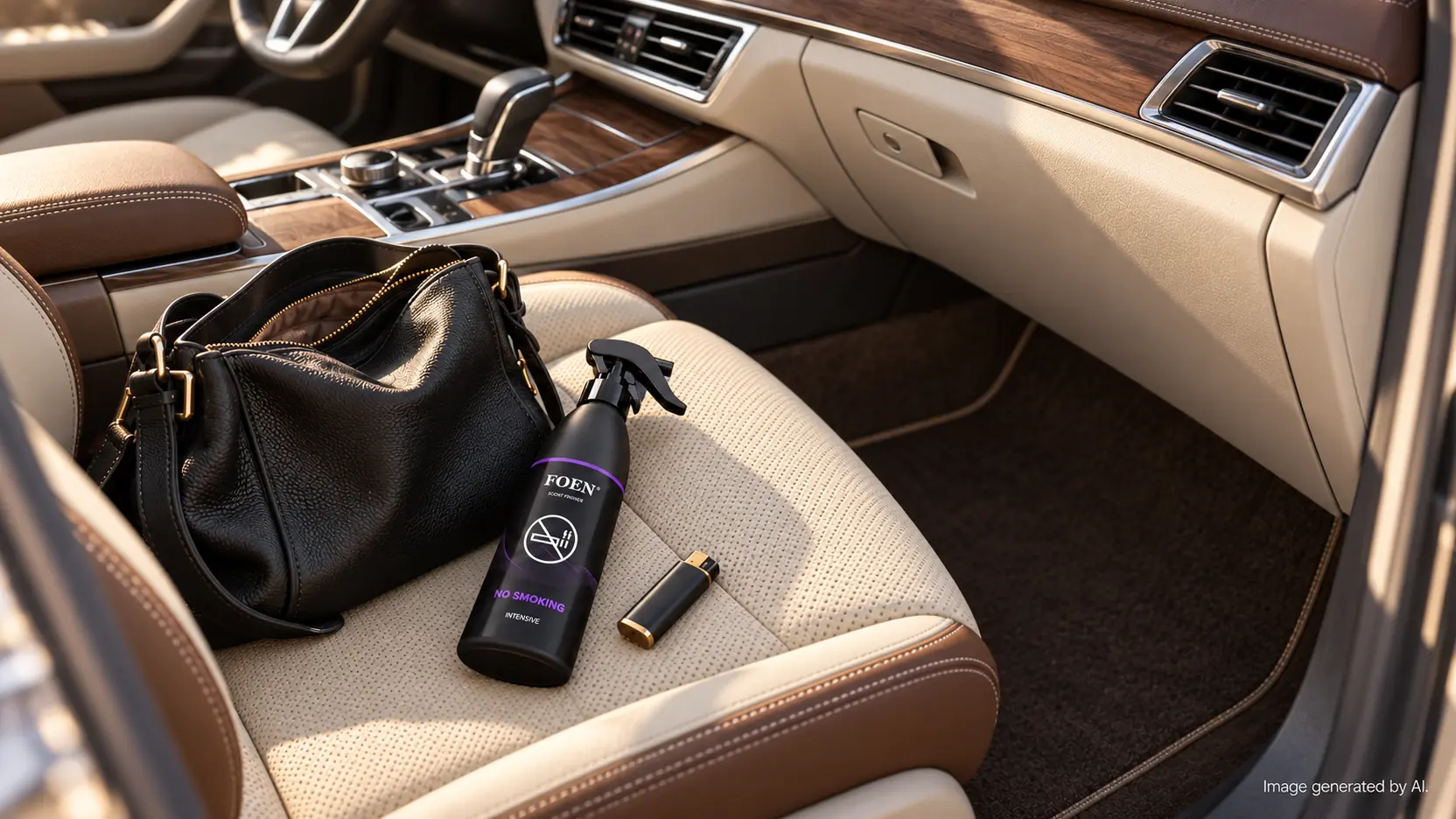
- The vehicle has an unresolved source odor (smoke residue, mold, coolant leak, wet dog in the foam). In that case, focus on elimination before you "decorate" the cabin with scent.
Practical insight: If you can smell your last chemical step more than you can smell the interior itself, you are not at the fragrance stage yet. Give it airflow, then decide. This one decision prevents most "too strong" complaints.
Separate "clean" from "fragranced" in the handover
At pickup, owners typically judge the whole experience in the first 5 seconds: door opens, cabin visual hits, then scent. If they think the scent is covering something, it devalues your work.
Use simple language that separates the outcomes:
- Cleaning result: "The interior is fully cleaned and neutral - no cover-ups."
- Fragrance result (optional): "If you want it, we can add a light fragrance finish that matches what you like."
This framing matters even more for clients who dislike artificial air fresheners. It tells them you respect their preferences and that odor removal comes first.
How to ask about fragrance preferences (quick, non-awkward)
A lot of "I don’t like it" moments happen because nobody asked. Keep it fast and specific, and give the client an easy way to say no.
Use one of these scripts
- "Do you prefer no added fragrance, or a light scent finish?"
- "Fresh/citrus, clean/soapy, sweet, or more cologne-like?"
- "Any notes you really hate - vanilla, leather, anything like that?"
Two key preference checks
- Intensity tolerance: Some owners want "barely there". Others want noticeable. Ask.
- Use case: Daily commute, rideshare, family car, weekend toy. The same scent can feel very different in those contexts.
Practical insight: When you offer a scent, always offer "none" as an equal option. Clients who feel pressured are the ones who later describe the fragrance as "covering" even when the car is clean.
How to avoid an overpowering first impression at pickup
The most common handover mistake is applying fragrance too close to collection and too heavily. Even premium compositions can overwhelm in a closed cabin.
Control the first 60 seconds
- Air it out after application. Give the cabin a few minutes with doors open (or windows cracked) before the owner arrives.
- Start lighter than you think. You can always add. You cannot easily subtract.
- Keep fragrance off "hot" touchpoints. Avoid steering wheel, shifter, hard plastics, displays, and leather seating surfaces. Fragrance belongs on appropriate textiles or in dedicated vent-mounted formats.
- Do a real sniff test. Close the door for 1-2 minutes, then open and smell from outside. That is the owner’s first impression.
If the owner is sensitive, consider fragrance as a take-home add-on instead of something you apply before they get in.
Spray vs vent-mounted formats: what matters at handover
Both sprays and vent-mounted diffusers can work well. The best choice depends on what you want the owner to experience immediately at pickup and how you want them to maintain it afterward.
| Format | What the owner notices at pickup | What you need to explain at handover | Best fit |
|---|---|---|---|
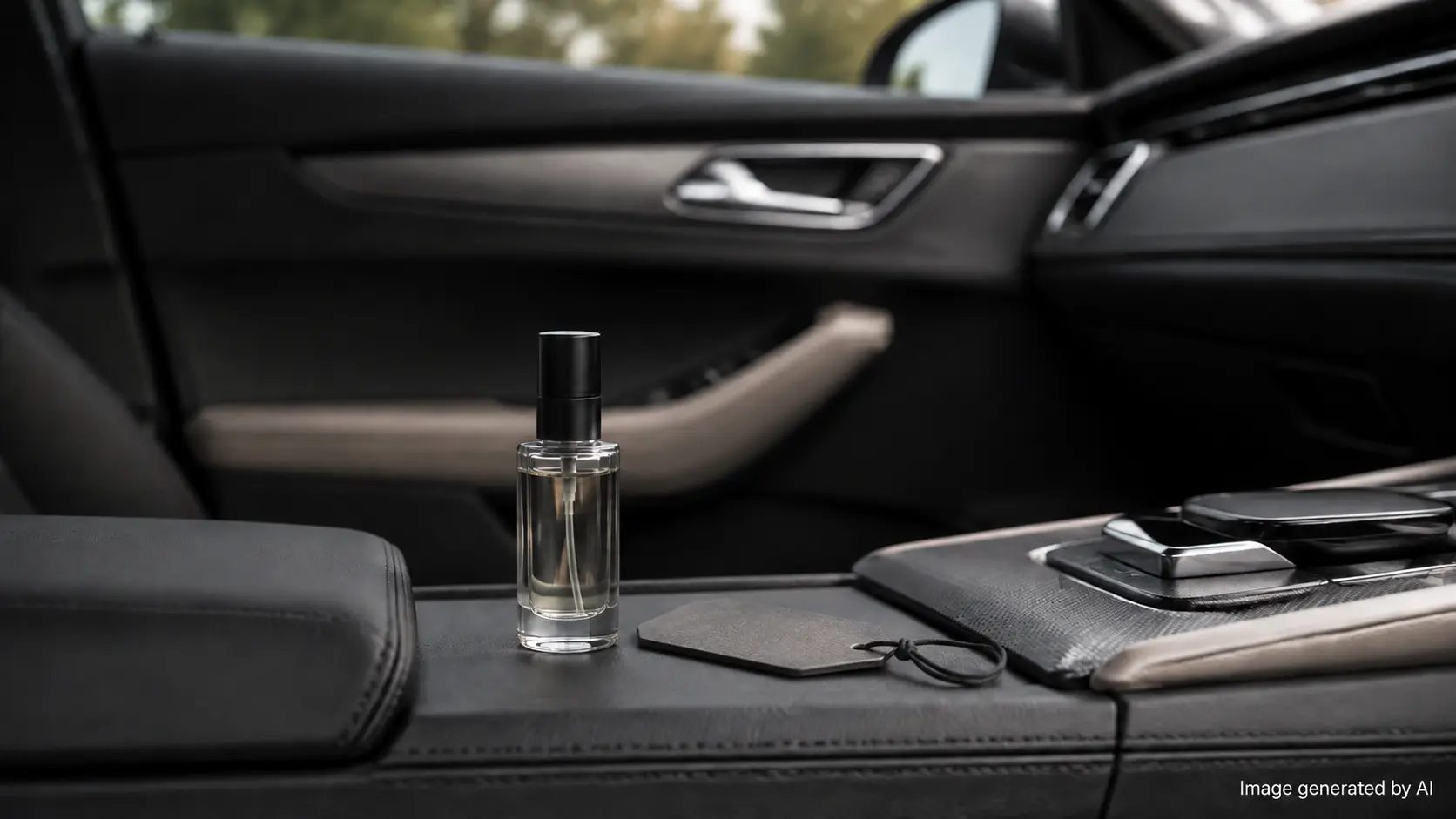
| Car perfume spray (textile application) | Immediate "finished" impression (if applied lightly and given time to settle) | Where it was applied (textiles), and how to avoid spraying on plastics/leather | Owners who want that freshly detailed scent the moment they open the door |
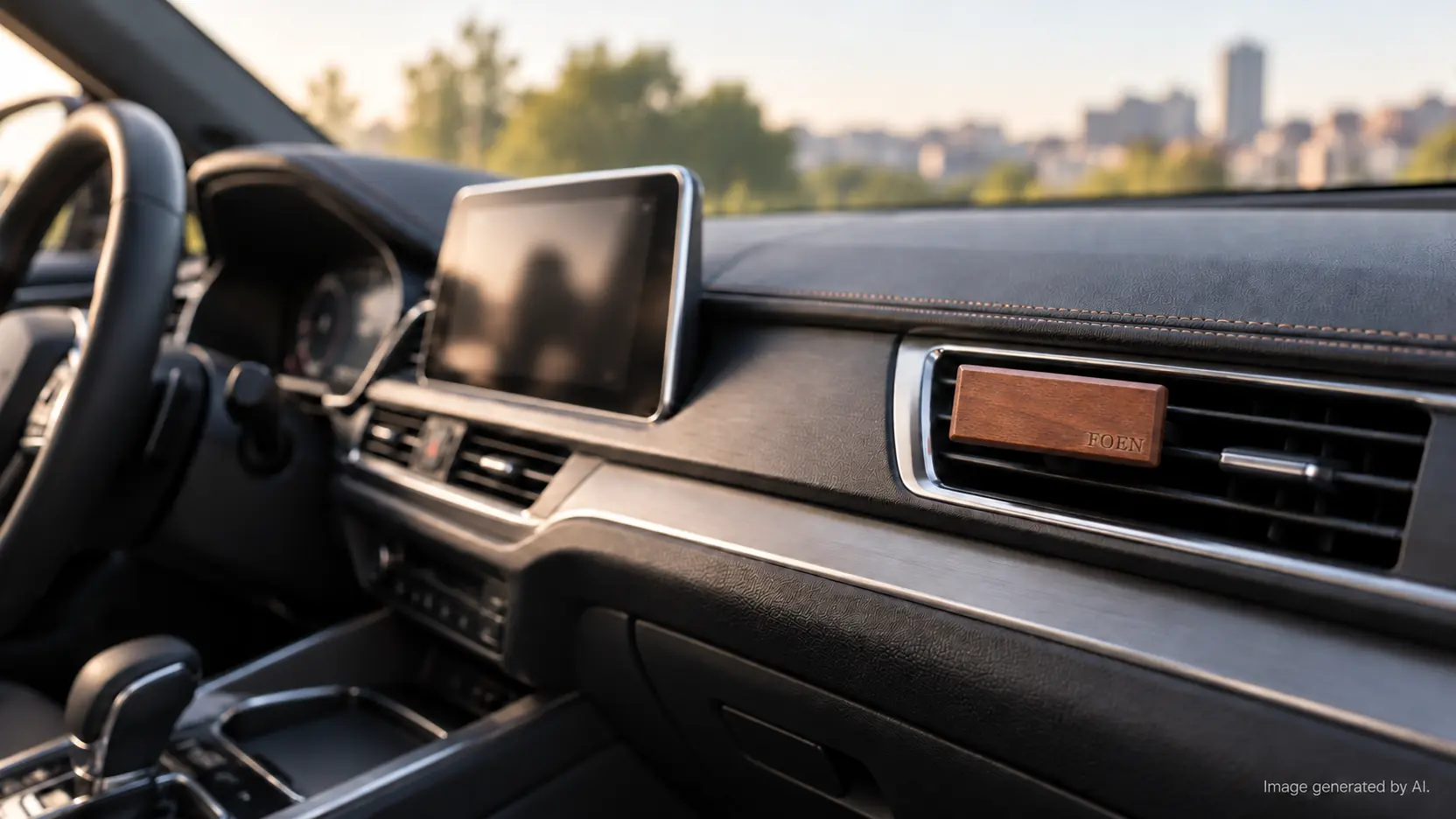
| Vent-mounted fragrance (e.g., FOEN Wood Stick / FOEN Pulse) | Typically subtler when the car is off; becomes noticeable with airflow | How airflow affects intensity, and that placement is on the vent (not hanging) | Owners who prefer controlled, steady scent during driving and a clean interior look |
FOEN offers both approaches: FOEN spray perfumes (for textiles) and vent-mounted options like FOEN Wood Stick (natural wood housing) or FOEN Pulse (minimal, plastic housing). At handover, the important part is not the catalog - it is matching the format to the owner’s tolerance and routine.
Application basics you can trust (including the 7 x 7 method)
Before you explain application to a client, verify the directions on the product label and follow the manufacturer’s recommendations. The guidance below reflects the intended use for FOEN spray perfumes on textiles and the brand’s commonly recommended 7 x 7 method.
Safe, common-sense rules (spray)
- Apply to textile areas such as floor mats and carpeted surfaces.
- Avoid spraying directly onto hard plastics, screens, glossy trim, and leather seating surfaces. If you need scent in the cabin, textiles do the job without risking residue or uneven marks.
- Less is more at pickup. Build gradually if the owner wants stronger scent over time.
The FOEN 7 x 7 method (step-by-step)
- Start with clean, dry mats. Remove and clean them as part of the detail. Let them dry fully.
- Day 1: Apply 7 sprays to each floor mat (textile side).
- Days 2-7: Repeat the same: 7 sprays to each mat per day.
- After day 7: Maintain to preference. Many owners will be happy stopping there and only topping up occasionally.
The idea is to build a fragrance base in textiles gradually, instead of flooding the cabin in one session.
Practical insight: If a client is picking up the car right after you finish, do not start "day 1" in front of them with a heavy application. Either apply earlier and let it settle, or hand them the bottle and explain how to start at home.
What simple usage guidance to give the owner
Your handover should include a 20-second "how to live with it" talk. This is where you prevent the two classic problems: over-application and scent clashes.
Give these simple instructions
- If it is a spray: "Use it on textiles like mats or carpet, not on plastics or leather. Start with a light amount, then adjust after a drive."
- If it is vent-mounted: "The scent is strongest when air is flowing. If it feels too much, reduce fan speed, redirect vents, or close that vent."
- If they want to switch scents: "Remove the old scent source first, air out the cabin, and avoid layering multiple products at once."
Help them pick a direction (without over-selling)
If the owner asks for suggestions, keep it lifestyle-based:
- Clean and light: FOEN FRESH line (for daily commuting, family cars, and anyone who hates sweet scents).
- Comforting: FOEN SWEET line (for a cozy feel on colder mornings or a more "lounge" vibe).
- Bold and distinctive: FOEN UNIQUE or INTENSIVE lines (for enthusiasts who want presence and character).
- "New interior" impression: FOEN INTENSIVE - New Car Leather (for owners who love that leather-forward, upscale cabin feel).
Keep the handover focused: confirm what they like, recommend one direction, and explain how to use it calmly.
If you want to show clients a premium alternative to typical hanging air fresheners, FOEN is designed exactly for that role: elegant scent profiles, simple usage, and formats that do not clutter the cabin visually.
Explore FOEN car fragrances on the official FOEN website
FAQ
When should I add car fragrance after detailing?
After the cabin is clean, textiles are dry, and the smell of cleaning chemicals has dissipated. Fragrance should be the finishing touch, not part of odor removal.
How do I ask a client what scent they want without making it awkward?
Offer "no added fragrance" as a normal option, then ask for a direction (fresh, sweet, cologne-like) and intensity (light vs noticeable). One quick question prevents most complaints.
Can a car fragrance spray damage leather or hard plastics?
Sprays are best kept on textiles like mats and carpet. Avoid spraying directly onto leather seating surfaces, screens, and hard plastics to reduce the risk of residue, marks, or uneven appearance.
What is the 7 x 7 method and how do I explain it at pickup?
It means 7 sprays per floor mat for 7 consecutive days to build a fragrance base in textiles gradually. At pickup, explain it as a light, repeatable routine rather than a heavy one-time spray.
Spray or vent-mounted fragrance: which is better for handover?
Use spray when you want an immediate "finished" impression (applied lightly and allowed to settle). Use a vent-mounted option when the owner wants controlled scent that shows up mainly while driving, with intensity influenced by airflow.
How do I prevent scents from clashing when switching fragrances?
Remove the previous scent source, air out the cabin, and avoid layering multiple products. If you used a spray, focus the next fragrance on a clean baseline and add it lightly at first.